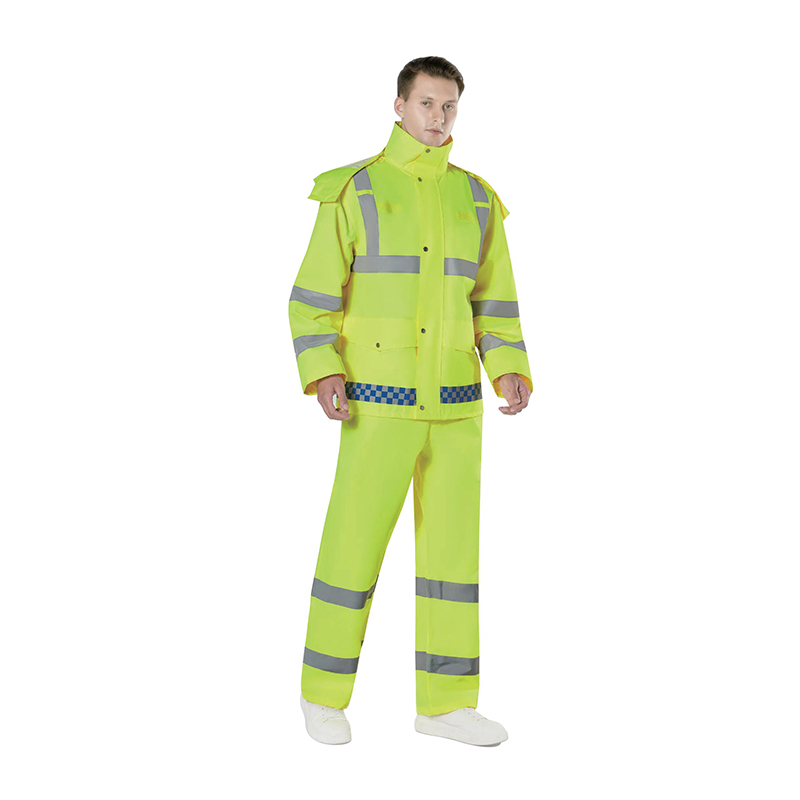
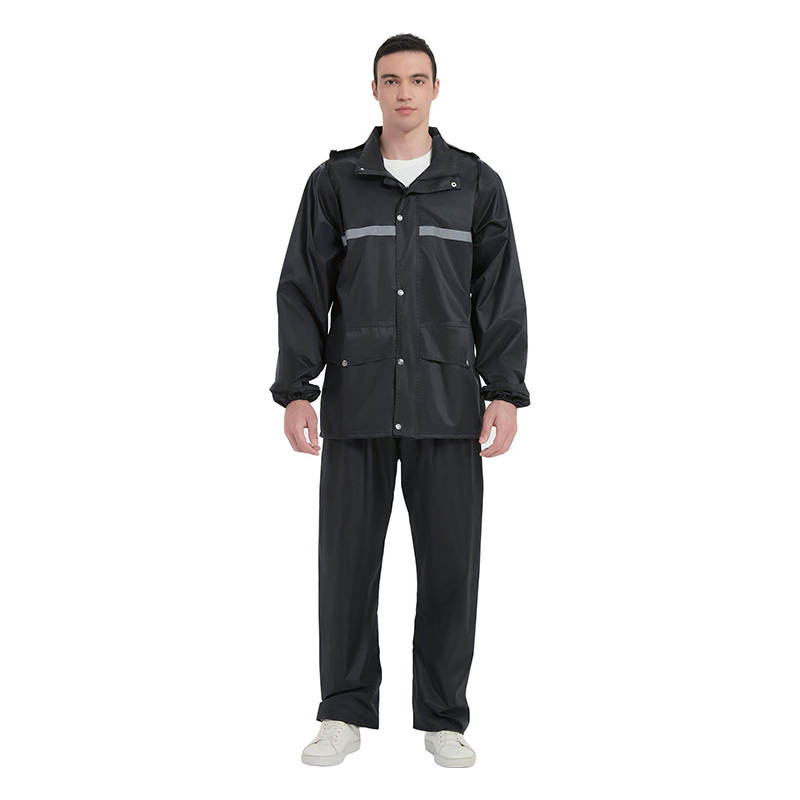
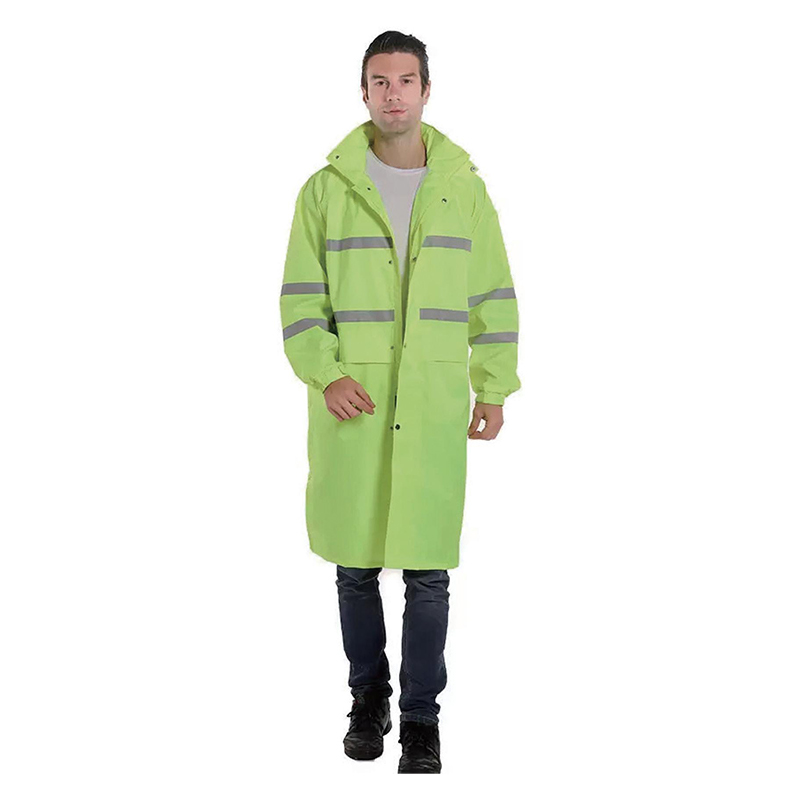
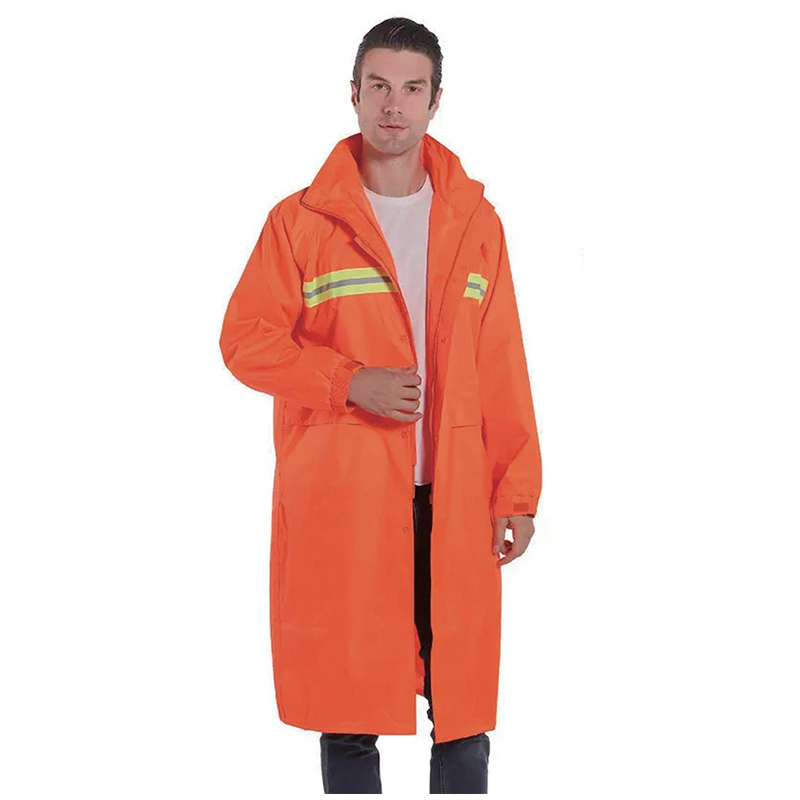
A salus vest est vestis induta super vestem regularem ut hominem visibiliter rector *ibus, instrumentis operariis vel aliis operariis adhibita compositione fluorescentium fabricae per diem visibilitatis et retroreflexivae ornae ad visibilitatem in nocte vel in lumine humili. In eros, Industriae salutem paramenta vexillum ANSI/ISEA 107 aedificantur, quod minimum ponderis fluorescentium et reflective materiae ab classe ponit. Motorcycle reflective salutem paramenta eidem nucleo inserviunt in via, sed leviores sunt, vestimenta fasciculata, super calces equitantes magis quam certificati workwear.
Hic dux tegit quid vestis tuta actu facit, quomodo ANSI/ISEA 107 classes differant, quid vestem industrialem ab thorace motorcycle vestis reflective separat, et quomodo ius unum pro dato vel curru vehi.
Quid est salus vestis et quomodo operatur?
Vestis tuta per duas machinas separatas operatur, quae duas difficultates visibilitatis separatas operiunt. Fluorescent background fabricae , plerumque calcis vel luteo-ruber , lucem UV haurit et eam ut lucem visibilem re- emittit , quae tunicam contra locos naturales in luce eminet , longe plus quam vulgaris fabricae colorata . Retroreflective absumpto Argentum vel prismatica strictura, ex fonte ut caput rectum versus illum fontem repercutit, unde plagae apparentes in luce nocturni deprehensi in lucello aurigae.
Neque sola materia sufficit. Fabrica fluorescentis plus utilitatis post tenebras amittit, quia nulla lux fortis ad eam excitandam, et per se considerata parum clara luce facit. Vestis apte constructa utrumque coniungit, et globulorum reflexorum collocatio refert etiam: ligamenta super scapulas decurrentes et circa bustum agitatorem adiuvant hominem silhouette in motu agnoscunt, non tantum candenti rectangulo.
Core Components obsequii Vest
- In background materia fluorescente flavo-viridis, aurantiaco-ruber, vel rubra
- Taenia retroreflectiva disposita ad umeros et abdominis defi
- Pittacium ostendens vexillum, genus et speciem vestimenti occurrit
- Maximus comes cycli lavacri, post quem reflexionis effectus non amplius praestatur
Extremum illud facile est falli; Vestis quae bene ad oculum spectat, materiam retroreflectivam habere potest, quae iam deiecta est praeter suum aestimatum effectum secans nocturnum uisibiliter sine ullo uisibili uestimenti signo.
Industriae Salutis Vests and ANSI/ISEA CVII Classises
Industriae securitatis tunicae in Civitatibus Foederatis Americae venditantur sub æstimantur ANSI/ISEA 107-2020 , editio princeps Visibilitas Salutis Apparel vexillum. Vexillum singulis vestimentis assignat Classem (1, 2, vel 3) innixam quantum materiae fluorescentis et reflexivae fert, et Typus (O, R, vel P) innixus in ambitu operis quem destinavit.
ANSI/ISEA 107 Classes
| Class | Negotiationis Volo / Profecti | Typical Wearers |
|---|---|---|
| Classis 1 | Nulla negotiationis orci | CELLA virgam, raedam satellitum |
| Classis 2 | 25 ad 50 mph | Transitus custodes, mensores, nautarum utilitas |
| Classis III | Plus 50 mph | Flaggers, via constructionis nautarum |
Typus designatio ambitus quam periculi gradus describit: Typus O* de via usum tegit commercii nuditate Typus R tegit viam operis ad vehiculum negotiationis ac Typus P curatores securitatis publicae operit ut vigiles, ignis et EMS, qui saepe brevioribus longitudinibus egent ad accessum ad apparatum in cingulis velocibus.
Ubi Obsequium iure required
OSHA regulam unam standi non evulgat quae singula operanti ANSI/ISEA 107 paramenta facit, sed obsequium per canales specificos fit facienda. Manuale de Uniform Traffic Control Devices (MUTCD) requirit saltem Classis II vestem cuivis operanti in via via foederati-auxilii et Classis III pro viis superioribus velocitatis seu conditionibus visibilitatis reductis. Pro flaggers in specie, 29 CFR 1926.201(a) vestes requirit conformes Parte VI MUTCD. Extra has regulas specificas, OSHA adhuc dico sub Clausula Generalis Officii citare potest quod minus provideat sufficientem visibilitatem tutelam circa vehiculis vel instrumentis movendis.
VEXILLUM ANSI vestis non automatice flammea repugnans. Laborantes in oleo et gas, electricae utilitatis, vel glutinis munerum egent vestis separatim inscripta ad vexillum applicabile quale. NFPA 2112 or ASTM F1506 ; iacens vestis regularis hi-vis super vestem obsistentem flammiferam actu aleam liquare potest si fabricae syntheticae vestis non aestimatur.
Motorcycle Reflective Safety Vests: Quare ascensores gere
Motorcycle speculatoriae securitatis paramenta existunt ad solvendam unam quaestionem specificam: motorcyclus longe minor est quam currus et facilis aliis rectoribus quae fallunt, praesertim in mercatura vel post tenebras. Secundum NHTSA data; XXXVII% motorcycle accidunt nocte cum visio est infima Et US Department of Transportation studio deprehendi 75% motorcycli accidentium autocinetorum involvunt, saepe quia auriga motorcycle in tempore deprehendere non potuit . Termini Hurt Report similem conclusionem decenniis ante pervenerunt: equites cum conspicuitate superiore minus verisimile est habere ius suum modo violatum ab alio exactore.
Vestis motorcycle reflexiva hoc alloquitur, per tunicas super tunicas zipping, addito lucida tabula fluorescentium plus reflexionis stricturae non exigente equitem ut totum novum iaccam ascendens emat. Dissimiles vestes industriales, maxime motorcycle reflectivae vestes non sunt ANSI-certificatae laboratorium; Ad solatium celeritatis destinati sunt, reticulis liniculis, materia fimbriarum tenaci in plausibus desinendi, et sinum totum tunica in non opus complicare potest.
Communes Motorcycle Reflective Vestiums
- Aptat super ens motorcycle iaccam quam reposuit
- Sarcinis in pera adnexa facile repono in cursoriam
- Mesh construction for airflow fermentum in sedendum
- Tenaci materia vel parte fuperius sic tunica non moto solutam in via celeritas
- Tabulae reflexae in dorso et scapulis positae, apparentibus vehiculis a tergo venientibus
Morum-mutatio investigationis recedit accedens in praxi; postquam unus status induxit postulationem reflexionis ad equitem nocturnum, plus quam 80% motorcyclis observatum est indumento tutelae, et 68% vestis reflexivas post 6 a.m. in obsequio legis, secundum data agri NHTSA-citati.
Industrial Vests vs. Motorcycle Vests: Key Differentiae
Duae figurae vestis eandem partem scientiae visibilitatis subiectam habent, sed ad diversas omnino fines aedificatas, et differentias aptas, certificationes, et quomodo vestis adhibenda sit.
| Feature | Industrial Safety Vest | Motorcycle Reflective Vest |
|---|---|---|
| Certification | ANSI/ISEA 107 Classis 1, 2, vel 3 . | Plerumque incertum, stilo-focused |
| Prima aleam | Vehiculum vel officium apparatu negotiationis super locum | Desideretur a coegi in via |
| Opportunus | Confectus opus shirt vel uniformis | Confectus in sedendum iaccam |
| Repono | Confectus ad plenam subcinctus | Sarcinis usque ad in-cursoriam storage |
| Legale postulationem | Saepe mandavit OSHA/MUTCD | Raro mandavit, plerumque voluntarius |
Unum LINO scitu dignum est: motorcyclist qui etiam officium Classis 2 operatur interdiu iam indumentum certificatum possidet, sed a certified industrialis tunica non statim optimum in-via electionis , cum non sit incisum ut supra additamenta emissa vel aptanda iaccre vel morandi ad celeritates semitas positas constituatur.
Quam eligere et tenere vestium ius
Lecto vestis dextra descendit ad certificationem actualem aleam adaptans, deinde vestem servans in statu ad faciendum semel in eo.
Electio Genus
- Confirmare genus inquisitum ex situ aleam taxationem, postulationem MUTCD, vel legem civitatis potius quam coniecturam
- Perscriptio pittacium pro norma, editione, classe, specie et qualibet certificatione flammea resistentia
- Magnitudinem vestis ideo non satis solvit ut in machina vel in motorcycle parte snag, per currenti regimine apta.
- Ad usum motorcycle, confirmandum aptas tunicas commodius super specificas iaccam confectas cum
- Nota maximam comitem cycli lavacri in pittacio et tunicam excedere semel ad terminum ventum est
- Inspice reflexionem denudat regulariter ad crepuit, decorticavit, vel hebetat, quia damnum non semper patet in luce.
Non est certa tutela impressa in vestis; vita ipsa servitus pendet ex quo saepe trita est, quomodo laventur, et quantum sol et abrasio officium aut viam accipit. . Vestis quae visibiliter emarcuit, elasticitatem amissam, vel excedentem aestimavit lavationem computationis, reponi debet potius quam in rotatione conservari, quia visibilitas effectus reducta non est aliquid velatus, sicut vestis intuendo certo diiudicare potest..